Solve Supply Chain Challenges with a Digital Twin
The modern supply chain is a massive, complex network of interconnected systems, suppliers, and logistics. For managers and decision makers, the core challenge has always been a lack of real-time supply chain visibility. Most decisions are based on historical data and static models, which means that when a disruption hits (a supplier delay, a port closure, a sudden demand spike) the response is almost always reactive.
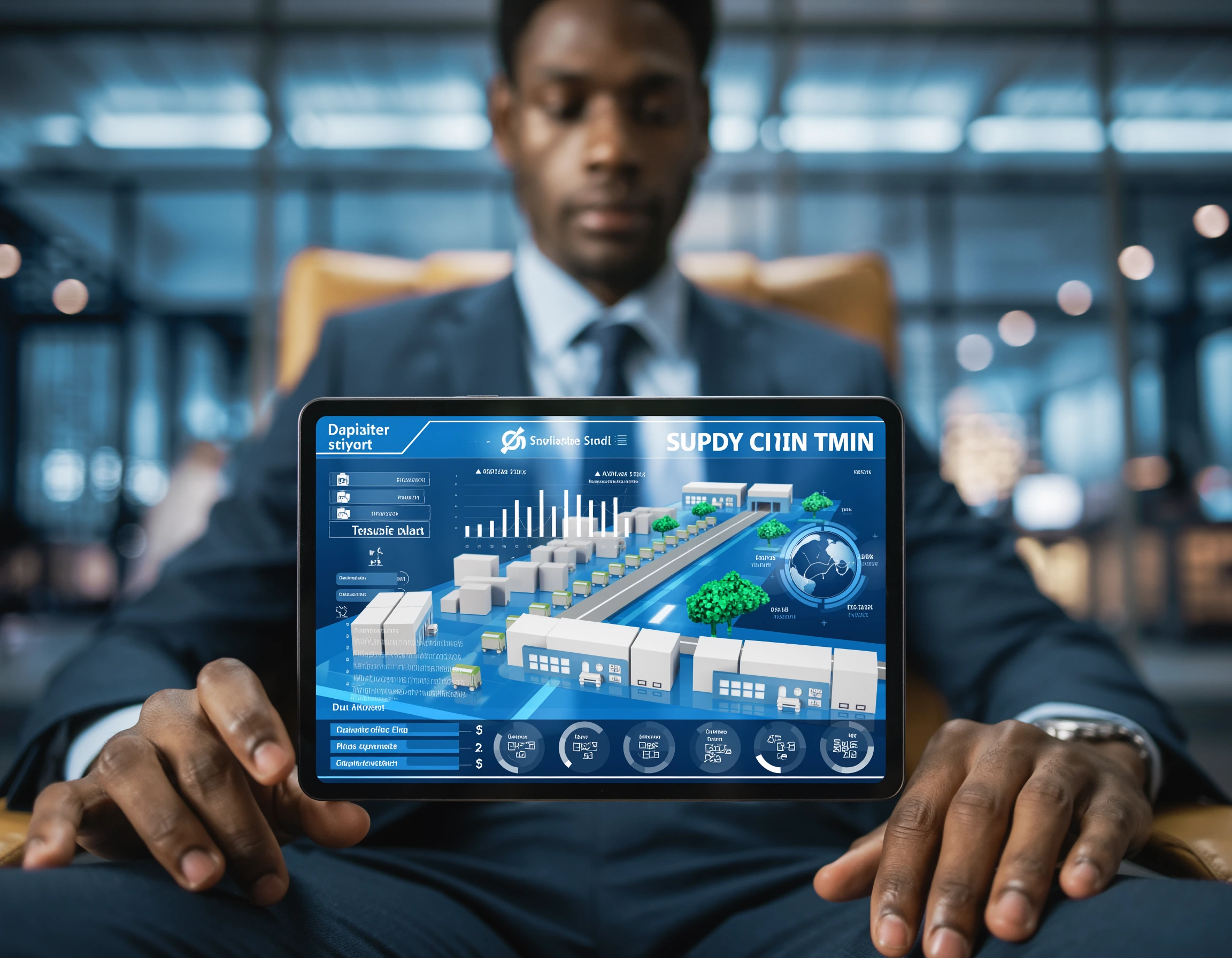
The solution is to move from static modeling to dynamic simulation. The supply chain digital twin is a living, end-to-end virtual model of your entire supply chain. It's a comprehensive, real-time ecosystem that enables advanced supply chain optimization and, crucially, supply chain risk prediction.
From Visibility to Simulation
A supply chain digital twin works by integrating real-time data from every part of your operation, including IoT sensors on cargo, ERP system data on inventory, telematics from your transport fleet, and even external data like weather and traffic.
This living model provides a complete, granular view of your entire operation. But its real power comes from digital twin simulation. You can run "what-if" scenarios in this risk-free virtual environment to see the complex ripple effects of any decision. This is where you can truly understand your supply chain dynamics.
A New Framework for Optimization
This simulation capability transforms how you manage core logistics. Instead of guessing, you can test:
- Inventory Optimization: Simulate the impact of a new stocking policy on cash flow and fulfillment rates before committing.
- Transportation Planning: Model the cost and time implications of re-routing your entire fleet in response to a port closure.
- Production Planning: Connect your demand forecasting data to the twin. You can simulate how a surge in demand would actually stress your production lines and raw material suppliers.
This allows for true logistics optimization, moving from a "best guess" approach to one based on data-driven, predictive modeling.
Read Also: Unlock Your Business Potential with AI-Powered Digital Twins
Proactive Supply Chain Risk Prediction
A supply chain digital twin is the ultimate risk management tool. By running continuous simulations, the AI can identify potential bottlenecks and vulnerabilities before they become critical. You can model the impact of a key supplier going offline and test your contingency plans.
When a real-world disruption occurs, you've already run the play. This moves your team from reactive problem-solvers to proactive risk managers, ensuring a more resilient and agile supply chain.Click here to learn more about how industrial digital twins are being used by real businesses.
Frequently Asked Questions
What are digital twins in SCM?
A digital twin in SCM (Supply Chain Management) is a virtual, real-time representation of an organization's entire supply chain. It connects to live data from all nodes, like suppliers, factories, inventory, and logistics to mirror the physical operation. It is used to run simulations for supply chain optimisation and supply chain risk prediction.
What is the difference between a supply chain control tower and a digital twin?
A control tower is primarily a visibility tool. It's a sophisticated dashboard that gathers and displays real-time data from various systems. A supply chain digital twin is a simulation tool. It not only shows you the real-time data but also allows you to interact with it, test "what-if" scenarios, and predict future states.
What is an example of a digital supply chain?
An example of a digital supply chain is one where a company uses IoT sensors to track all its shipments, cloud-based ERP for real-time inventory levels, and AI for demand forecasting. A supply chain digital twin is the technology that unifies all these digital elements into a single, interactive model.
What are the three elements of a digital twin?
While models vary, the three core elements are:
- The Physical Asset: The real-world object or process.
- The Virtual Model: The digital replica of that asset.
- The Data Connection: The continuous, real-time flow of data and information (often from IoT) that links the physical and virtual models.
What is an example of a digital twin?
A classic example of a digital twin is a virtual model of a jet engine. Sensors on the physical engine stream real-time performance data to the digital twin, allowing engineers to predict maintenance needs, optimize fuel consumption, and test new software updates in a safe, virtual environment before deploying them to the physical fleet.
How many types of SCM are there?
Supply Chain Management (SCM) is a broad field, but it's often broken down into 5 key components or processes:
- Planning: (e.g., Demand forecasting, production planning)
- Sourcing: (Procurement and supplier management)
- Manufacturing: (Production and assembly)
- Delivery: (e.g., Transportation planning, logistics optimization)
- Returns: (Reverse logistics)