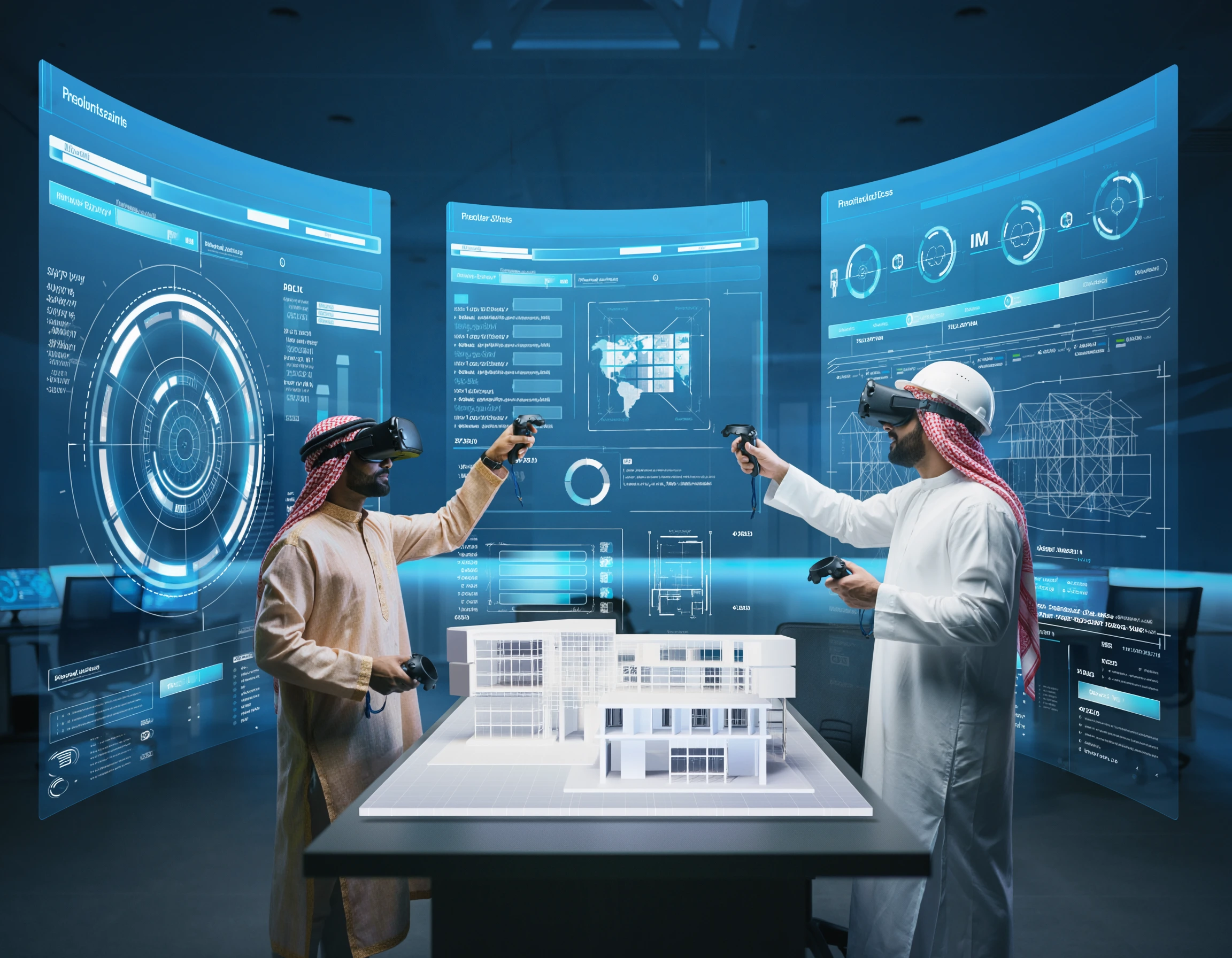
Virtual Experience Centre for High-Clarity Product Demonstrations and Deeper Visitor Engagement
In an era where "digital fatigue" is a genuine hurdle, a static website or a standard zoom call is no longer enough to capture attention. Brands are racing to move beyond flat screens and create environments that feel alive. This has given rise to the Virtual Experience Centre—a dynamic, persistent digital space where visitors inhabit the content.
Unlike a traditional webpage, which is a catalogue of information, a virtual experience centre is designed as a destination. It leverages immersive storytelling to turn a brand's message into a journey. Instead of reading a PDF about a product's features, a client might walk through a 3D visualization of the product in action, manipulating its components and seeing real-time data overlays.
The Science of Multi-Sensory Engagement
The secret to the effectiveness of these centres lies in multi-sensory engagement.
Traditional digital marketing relies heavily on text and static visuals (sight). A virtual experience centre expands this palette.
It uses spatial audio that changes as the user moves, haptic feedback integration, and high-fidelity interactive visuals. This approach, often called multi‑sensory experience marketing, triggers a stronger response than passive consumption.
For example, when a visitor interacts with the exploded view of a complex equipment, the brain encodes that memory far more deeply than it would a simple video.
How Virtual Experience Centres Engage Customers
Here's how virtual experience centres are engaging clients and customers across industries:
- Corporate & Innovation Labs: Stakeholders can be guided through R&D spaces and campuses, visualising complex projects and milestones through interactive walkthroughs that inspire collaboration.
- Museums & Heritage: History can be blended with interactive storytelling. Artefacts are turned into living stories through 3D tours and AR overlays, making exhibits engaging for visitors of all ages.
- Defence & Aerospace Showrooms: Complex equipment and procedures are presented through detailed 3D models and VR experiences, making technical details clear, compelling, and easier to grasp.
- Property Tours: Prospective clients can now explore layouts and facilities before construction, giving them a complete idea of how the finished place will feel like and removing the biggest friction point for under-construction property sales.
Read Also: How Customization with the Technology of AR/VR is Shaping In-Store Experiences?
The Backbone: Management and Analytics
Creating these worlds requires more than just good graphics. It demands a sophisticated experience management platform. This software acts as the conductor, orchestrating the flow of content, managing user access, and ensuring that the high-resolution assets stream smoothly to any device.
This platform also serves as a listening tool. In a physical showroom, it's hard to track exactly which display a customer looked at longest. In a virtual centre, every interaction is data. Advanced visitor analytics can track heatmaps of user movement, interaction rates with specific 3D objects, and drop-off points in the narrative.
By applying AI‑powered visitor insights to this data, brands can see not just what users did, but predict what they might want next. If 80% of visitors linger on a specific sustainability module, the AI can suggest prioritizing that content for future visitors, creating a continuously optimising loop of engagement.
The virtual experience centre is the next evolution of the corporate website. By combining the reach of digital with the depth of immersive storytelling and the power of data, brands are building experiences that overcome digital fatigue and leave a lasting impression.
Contact us today to learn more about how virtual experience centres can help your business.