Virtual Try-On Glasses: End Returns & Make Every Customer Confident
For years, buying glasses online felt like a gamble. You'd scroll through hundreds of frames, guess which ones might fit your face, and cross your fingers that you wouldn't look ridiculous when the box finally arrived. That uncertainty has always been the single biggest hurdle for online eyewear retailers.
Virtual Try-On Glasses have changed that equation. This technology is a critical bridge between the convenience of e-commerce and the reassurance of a physical store. By turning a smartphone screen into a virtual mirror, brands are removing the guesswork, drastically cutting return rates, and giving customers the confidence to actually hit checkout.
How the Tech Actually Works
Early versions of this tech were clunky, just a 2D sticker of glasses pasted onto a static photo. Today's virtual try-on technology is a different beast entirely.
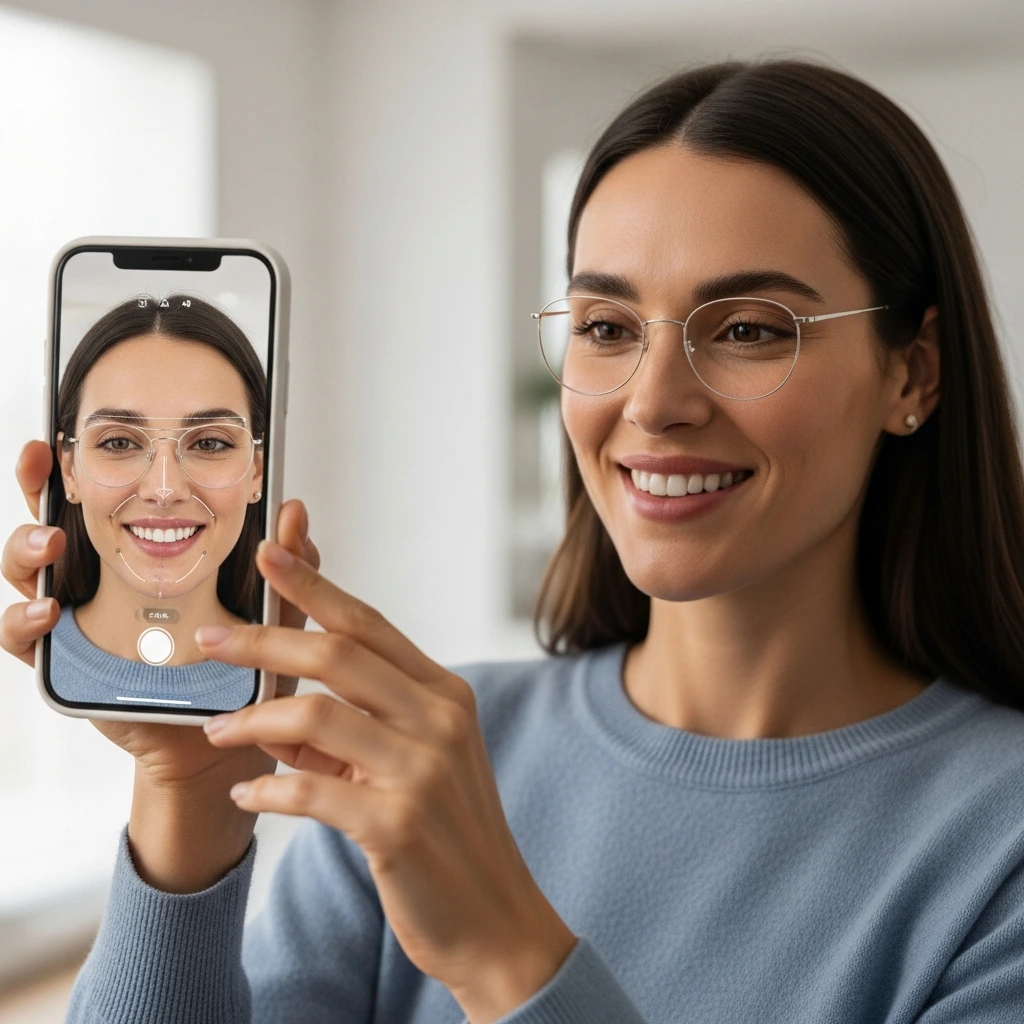
It uses advanced Augmented Reality (AR) to map your face in real-time. The software identifies key anchor points like the bridge of your nose, the distance between your pupils, the curve of your ears. It then renders a 3D glass try-on model that sits on your face just like a real pair would.
The real magic happens when you move. Modern AR try-on glasses track with you. You can turn your head to check the profile view, tilt down to see how they sit on your nose, or move closer to inspect the frame detail. It mimics the in-store experience of looking in a mirror almost perfectly.
Read Also: Virtual Glasses Try-On: The Future of Eyewear Retail
The Business Case: Why Brands Are All-In
For retailers, integrating this tool is about math, not just marketing. Returns in the eyewear industry are expensive and logistically heavy.
- Killing the "Maybe" Pile: When a customer can try glasses online and see exactly how a bold cat-eye or a classic aviator suits their specific face shape, they stop guessing. They buy the pair that they know looks good.
- Higher Cart Values: Shoppers who interact with a virtual mirror tend to browse longer and are more willing to experiment with premium or unique styles they might have been too shy to try on in a busy shop.
- Trust is the New Currency: Offering a high-fidelity try-on experience signals that a brand cares about fit, not just sales. That builds the kind of trust that turns a one-time buyer into a loyal customer.
Read Also: Step-by-Step Guide to Virtual Glasses Try On for Eyewear Stores
A New Standard for Shopping
We are rapidly reaching a point where virtual try-on glasses will be table stakes. Customers now expect to try before they buy, even digitally. For the eyewear industry, AR hasn't just improved the online store; it has finally made it a viable competitor to the brick-and-mortar optician.
Click Here to Deploy The Best Eyewear Virtual Try-On With KiXR
Frequently Asked Questions
What is a virtual try-on for glasses?
It's a digital tool that lets you see yourself wearing different glasses without physically putting them on. It uses your device's camera to overlay a realistic pair of frames onto your live video feed, acting like a digital mirror.
How does virtual try-on technology work?
The technology uses facial recognition and Augmented Reality (AR). It scans your face to find specific landmarks (eyes, nose, ears) and then anchors a digital 3D model of the glasses to those points, adjusting the lighting and angle in real-time as you move.
Do I need any special device to use a virtual try-on feature?
Not at all. If you have a smartphone, tablet, or laptop with a working camera and an internet connection, you're good to go. It usually runs directly in your web browser.
Is virtual try-on accurate for selecting the right glasses?
Yes, modern tools are surprisingly accurate. They scale the frames relative to your facial features to give you a very good idea of size and fit. However, it's still smart to check the printed measurements on the frame arms against a pair you already own just to be 100% sure.
Can brands integrate virtual try-on into their online eyewear store?
Yes. There are many software providers that offer "plug-and-play" solutions. Brands can integrate these 3D glass try-on modules into their existing websites (like Shopify or Magento) easily.
What are the benefits of using virtual try-on glasses for shoppers?
It saves massive amounts of time. You can try on fifty pairs in five minutes from your couch, instantly see what suits your face shape, and shop with confidence without needing to drive to a mall.
How can virtual try-on technology improve eyewear sales?
It removes the fear of buying the wrong thing. When customers are confident that a frame looks good, they are much more likely to buy it and much less likely to return it.